

Here's your article:
How to Scale Your Affiliate Marketing Business: A Comprehensive Guide
Imagine your affiliate marketing business as a sapling, carefully nurtured and showing promising growth. Now, envision it as a towering oak, its branches reaching far and wide, generating a substantial income stream. Scaling your affiliate marketing business is about transforming that sapling into the mighty oak. It's about moving beyond the initial hustle and achieving consistent, sustainable growth. But how do you actually do it? Let's delve into the strategies, tactics, and mindset shifts needed to take your affiliate business to the next level.
Laying the Foundation for Scalable Growth
Before diving into advanced techniques, it's crucial to ensure your foundation is rock solid. This involves several key areas:
1. Niche Mastery and Product Selection
Your niche is the bedrock of your business. Are you truly an expert in your chosen area? Deep knowledge translates to authentic content, better recommendations, and higher conversion rates. Similarly, revisit your product selection. Are you promoting products that genuinely benefit your audience and align with your values? Focus on quality over quantity.
2. Content is King (and Queen!)
High-quality, engaging content is the lifeblood of any successful affiliate marketing business. This isn't just about writing product reviews; it's about creating valuable resources that solve problems, answer questions, and build trust with your audience. Think blog posts, tutorials, comparison guides, videos, and even podcasts.
3. Website Optimization: Speed, Mobile-Friendliness, and User Experience
A clunky, slow website will kill your conversion rates faster than you can say bounce rate. Ensure your site is optimized for speed, mobile-friendliness, and a seamless user experience. This includes clear navigation, easy-to-find calls to action, and a visually appealing design.
4. Data Tracking and Analytics
You can't improve what you don't measure. Implement robust tracking mechanisms to monitor your website traffic, conversion rates, and earnings per click (EPC). Tools like Google Analytics and your affiliate program's reporting dashboards are your best friends.
Strategies for Exponential Growth
With the foundation in place, let's explore strategies to amplify your efforts and accelerate growth.
1. Diversify Traffic Sources
Relying on a single traffic source is risky. What happens if Google changes its algorithm or your favorite social media platform goes out of style? Diversify your traffic sources to build a more resilient and scalable business. Consider these options:
**Search Engine Optimization (SEO):Optimize your content for relevant keywords to attract organic traffic from search engines.
**Paid Advertising:Run targeted ads on Google, social media platforms, or other relevant websites to reach a wider audience.
**Social Media Marketing:Build a strong presence on social media platforms relevant to your niche.
**Email Marketing:Build an email list and nurture your subscribers with valuable content and targeted promotions.
**Guest Blogging:Contribute guest posts to other websites in your niche to reach a new audience and build backlinks.
2. Scale Content Creation
Creating high-quality content consistently can be time-consuming. To scale your content creation efforts, consider these strategies:
**Repurpose existing content:Turn blog posts into videos, infographics, or podcast episodes.
**Outsource content creation:Hire freelance writers, editors, or designers to help you create content.
**User-Generated Content (UGC):Encourage your audience to create content related to your products or services.
3. Email Marketing Automation
Email marketing is a powerful tool for nurturing leads and driving conversions. Automate your email marketing efforts to save time and improve efficiency:
**Create automated email sequences:Welcome new subscribers, onboard new customers, and promote relevant products.
**Segment your email list:Target your subscribers with personalized messages based on their interests and behavior.
**Use email marketing software:Invest in a robust email marketing platform like ConvertKit or Mailchimp to automate your campaigns. [externalLink insert]
4. Leverage Marketing Funnels
A marketing funnel is a visual representation of the customer journey, from initial awareness to final purchase. By understanding the different stages of the funnel, you can optimize your marketing efforts to move customers through the funnel more effectively.
**Awareness:Attract potential customers to your website through SEO, social media, or paid advertising.
**Interest:Engage your audience with valuable content and build trust.
**Decision:Provide compelling reasons to purchase your products or services.
**Action:Make it easy for customers to purchase your products or services.
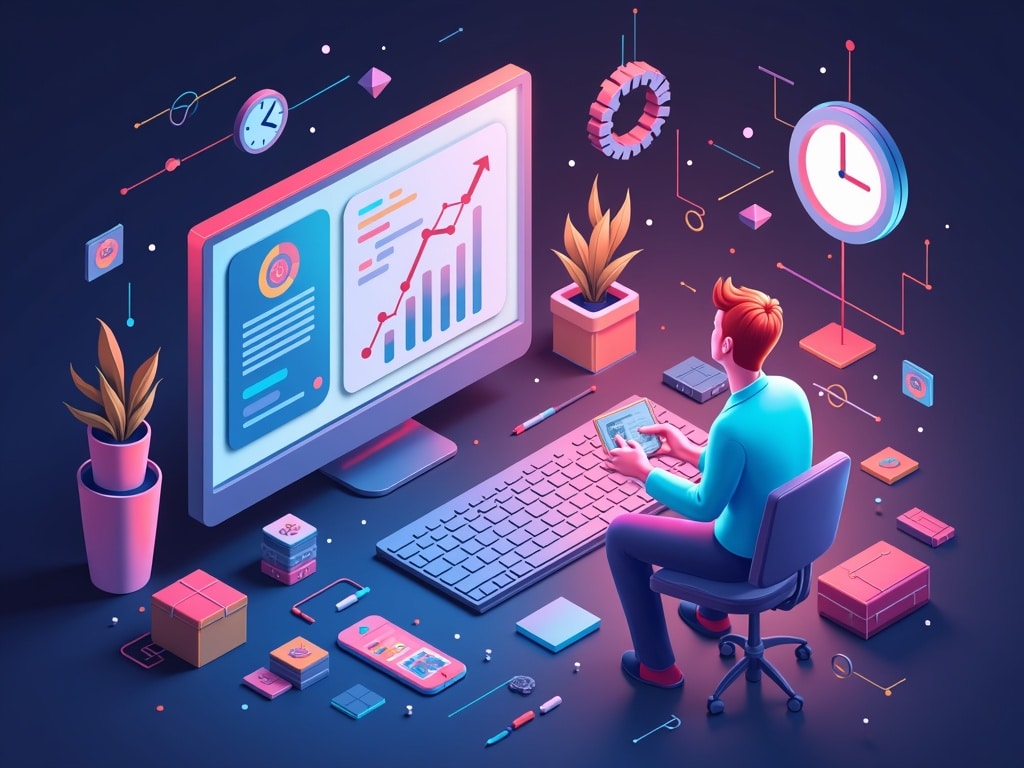
5. Partner with Influencers
Influencer marketing can be a highly effective way to reach a new audience and drive sales. Partner with influencers who are relevant to your niche and have a strong following.
**Identify relevant influencers:Research influencers who align with your brand and target audience.
**Reach out and build relationships:Connect with influencers and offer them value in exchange for their promotion.
**Track your results:Monitor the performance of your influencer marketing campaigns to see what works and what doesn't.
6. Optimize for Conversions
Driving traffic to your website is only half the battle. You also need to optimize your website for conversions. This means making it easy for visitors to find what they're looking for and take the desired action, whether it's signing up for your email list or making a purchase.
**Use clear and concise calls to action:Tell visitors exactly what you want them to do.
**Optimize your landing pages:Create landing pages that are tailored to specific traffic sources and offers.
**A/B test your website:Experiment with different elements of your website to see what improves conversions.
7. Data-Driven Decision Making
Throughout the scaling process, rely on data to guide your decisions. Track your key metrics, analyze your results, and make adjustments as needed.
**Use analytics tools:Google Analytics and your affiliate program dashboards are essential.
**Track your ROI:Monitor the return on investment for all your marketing activities.
**Be willing to experiment:Don't be afraid to try new things and see what works.
Embracing the Long Game
Scaling an affiliate marketing business is not a get-rich-quick scheme. It requires dedication, hard work, and a long-term perspective. Be prepared to invest time and effort into building your business, and don't get discouraged by setbacks.
1. Consistency is Key
The most successful affiliate marketers are those who consistently create valuable content, build relationships with their audience, and promote relevant products.
2. Adapt and Evolve
The online landscape is constantly changing, so it's important to stay up-to-date on the latest trends and technologies. Be willing to adapt your strategies as needed to stay ahead of the curve. An example could be incorporating ai into your writing to speed up the content creation .
3. Network and Learn
Connect with other affiliate marketers, attend industry events, and continue to learn and grow your skills.
Final Thoughts
Scaling your affiliate marketing business is a marathon, not a sprint. By focusing on building a strong foundation, implementing effective strategies, and embracing a long-term perspective, you can transform your business from a promising venture into a thriving, income-generating machine. So, nurture your sapling, tend to its growth, and watch it blossom into the magnificent oak you've always envisioned. Now go out there and build something amazing!